Office Policies & Procedures

Financial Policy
Administrative/Financial Policies Dunwoody Pediatrics
We at Dunwoody Pediatrics are committed to offering the best possible medical care for your children. In order to provide this, we need you to be aware of and understand our Administrative policies. Please review these below.
Co-pays: All co-pays are to be paid at the time of the visit.
Insurance: If we are contracted with your insurance company, we will bill them directly, after you have paid your co-pay. Any remaining balance that the insurance company advises us is your responsibility, such as deductibles or non-covered benefits, will be billed to you and payment will be expected within 30 days from the statement date. If payment is not received within 30 days, or payment arrangements made, your account will be reviewed for collection action.
If we cannot verify that your insurance is current, you will be responsible for payment in full at the time of services or you can choose to reschedule.
If you do not have insurance, we will be happy to provide a Good Faith Estimate for the reason you are requesting an appointment. You will need to pay this estimate in full before your appointment.
Payment Arrangements: In the event you are unable to pay your balance in full, you must contact our Business Office promptly to make monthly payment arrangements. Payments will be based on your balance and payment arrangements cannot exceed 6 months. In the event you are unable to make a payment, you must contact our billing department, or your account will be sent to our Collection Agency.
Method of Payment: We accept cash, checks, Visa, MasterCard, American Express, Debit Cards and HSA Cards.
Returned Checks: There is a fee of $35.00 for all returned checks.
Divorced, Separated or Blended Families: Dunwoody Pediatrics will not become involved in any agreement, understanding, and/or court orders. As always, payment is expected at the time of service. If reimbursement is to be from an absent parent, it is your responsibility to collect this reimbursement, not Dunwoody Pediatrics responsibility.
Late Policy: If you are more than 10 minutes late for your appointment, you may have to reschedule, or you may have to be bumped to the end of the morning or afternoon session in order to be seen.
Missed Appointment/No show Administrative Fee: In the event you do not give a 24-hour notice, this will generate a Missed Appointment/No show fee of $40.00 per child, per appointment. This fee will not and cannot be charged to your insurance company; rather, you will be responsible for payment in full. This fee MUST be paid prior to scheduling any other appointments. Appointments cannot be cancelled through the answering service; you must call the office directly.
Prescription Refills: Prescription refills must be made during office hours so that your child's chart is accessible to the Provider. Please have your pharmacy telephone number available when you call. Your prescription will be called in by the end of the next business day.
Release of Medical Records: We do not copy records in the office. These are handled by an outside agency. You must complete a Medical Release Form. The records will then be sent to you or to whom you have designated, by the outside agency along with a bill for the copying materials.
Forms: We require 10 business days to complete camp, sports, health, or immunization forms. Fees vary depending on the type of form. Please see our front desk staff for further information.
Saturday Sick Visit Administrative Fee: There is an additional fee for services rendered on Saturdays. This fee will be billed to your insurance carrier. Dunwoody Pediatrics will accept assignment of benefits and the patient will be billed per the insurance carrier EOB. Self-pay patients will pay this fee at the time of service in addition to visit fees.
Deductible: A fee of $100 will be collected towards ALL sick visit appointments that have not met the yearly deductible as stated when health benefits and coverages are verified.
Signature of Responsible Party
Vaccine Policy
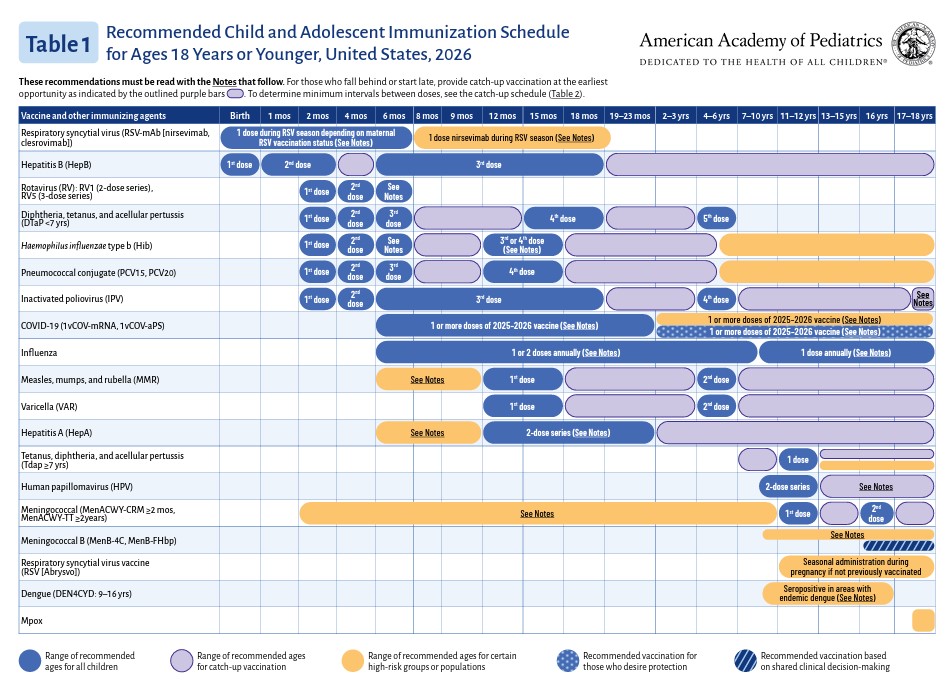
As medical professionals, we feel very strongly that vaccinating children on schedule with currently available vaccines is absolutely the right thing to do for all children and young adults. We are more than willing to discuss any questions you may have about vaccines, but do require all new patients to our practice to adhere to the vaccination schedule endorsed by the American Academy of Pediatrics (AAP).
- We firmly believe in the effectiveness of vaccines to prevent serious illness and to save lives.
- We firmly believe in the safety of our vaccines.
- We firmly believe that all children and young adults should receive all of the recommended vaccines according to the schedule published by the American Academy of Pediatrics(AAP).
- We firmly believe, based on all available literature, evidence, and current studies, that vaccines do not cause autism or other developmental disabilities.
- We firmly believe that thimerosal, a preservative that has been in vaccines for decades and remains in some vaccines, does not cause autism or other developmental disabilities.
- We firmly believe that vaccinating children and young adults may be the single most important health promoting intervention we perform as health care providers, and that you can support as parents/caregivers.
The recommended vaccines and the schedule of administration are the results of years and years of scientific study and data-gathering on millions of children by thousands of our brightest scientists and physicians.
The vaccine campaign is truly a victim of its own success. It is precisely because vaccines are so effective at preventing illness that we are even discussing whether or not they should be given. Because of vaccines, many of you have never seen a child with polio, tetanus, whooping cough, bacterial meningitis, or even chickenpox, or known a friend or family member whose child died of one of these diseases. Such success can make us complacent or even lazy about vaccinating. But such an attitude, if it becomes widespread, can only lead to tragic results.
If you have chosen to not vaccinate your child, then your philosophy of what is best for your child does not align with that of Dunwoody Pediatrics and we would not be a good fit for your family's care. Since it is important that our relationship be one of trust and mutual respect, we would ask that you seek healthcare in another venue.
Privacy Policy
Notice of Privacy Practices
THIS NOTICE DESCRIBES HOW MEDICAL INFORMATION ABOUT YOU MAY BE USED AND DISCLOSED AND HOW YOU CAN GET ACCESS TO THIS INFORMATION. PLEASE REVIEW IT CAREFULLY.
Our employees may gather information about your medical history and your current health. This notice explains how that information may be used and shared with others. It also explains your privacy rights regarding this kind of information. The terms of this notice apply to health information created or received by Dunwoody Pediatrics and is effective as of 4/1/2026.
We are committed to protecting patient privacy. We are required by the Health Insurance Portability and Accountability Act (HIPAA) to provide you with this notice and to make sure that: your identifiable medical information is kept private; you understand our legal duties and privacy practices with respect to medical information about you; the terms of the notice that are currently in effect are followed; and you are notified in the event of a breach of any unsecured protected health information about you. You can ask for a paper copy of this notice at any time, even if you have agreed to receive the notice electronically. We will provide you with a paper copy promptly.
Uses and Disclosures
We typically use or share your health information in the following ways:
• Treatment – we can use your health information and share it with other professionals who are treating you. Example: A doctor treating you for an injury asks another doctor about your overall health condition.
• Payment – we can use and share your health information to bill and get payment from health plans or other entities. Example: We give information about you to your health insurance plan so it will pay for your services.
• Healthcare Operations – we can use and share your health information to run our practice, improve your care, and contact you when necessary. Example: We use health information about you to manage your treatment and services.
• Legal Requirements – if required by law, such as reporting abuse, public health risks, workers’ compensation claims, or responding to a court order.
Other Uses and Disclosures
We are allowed or required to share your information in other ways that contribute to the public good, such as public health and research. We are required to meet several conditions in the law before we can share your information for these purposes, which may include the following:
• Public Health and Safety – we can share health information for situations such as preventing disease, helping with product recalls, or reporting adverse reactions to medications.
• Support Research – we can use or share your information for health research.
• Organ and Tissue Donation – we can share health information about you with procurement organizations.
• Medical Examiner or Funeral Director – we can share health information with a coroner, medical examiner, or funeral director when an individual dies.
All other uses and disclosures require prior authorization. You have the right to receive a copy of the authorization and the right to revoke the authorization at any time.
Notice Regarding the Use of Technology
We may use electronic software, services, and equipment, including without limitation to email, video conferencing technology, cloud storage and servers, internet communication, cellular network, voicemail, facsimile, electronic health record, and related technology (“Technology”) to share Protected Health Information (PHI) with you or third-parties subject to the rights and restrictions contained herein. In any event, certain unencrypted storage, forwarding, communications and transfers may not be confidential. We will take measures to safeguard the data transmitted, as well as ensure its integrity against intentional or unintentional breach or corruption. However, in very rare circumstances security protocols could fail, causing a breach of privacy or PHI.
Special Protections for Substance Use Disorder (SUD) Treatment Information
Certain health information related to substance use disorder diagnosis, treatment, or referral receives heightened protection under 42 CFR Part 2.
We may not disclose your SUD treatment information without your written consent, unless:
• A specific Part 2 exception applies, such as a medical emergency, certain research activities, mandated reporting of child abuse or neglect, or valid court orders: or
• Disclosure is permitted by both Part 2 and HIPAA, and no stricter protection applies.
Any consent you provide for disclosure of Part 2 information must satisfy specific federal requirements, including describing the information to be disclosed, the recipient, the purpose of disclosure, and your right to revoke consent.
Your Rights
When it comes to your health information, you have certain rights. This section explains your rights and some of our responsibilities to assist you.
• Access to Records
o You can ask to see or get an electronic or paper copy of your medical record and other health information we have about you.
o We will provide a copy or a summary of your health information, within 60 days of your request. We may charge a reasonable, cost-based fee.
• Request Restrictions
o You can ask us not to use or share certain health information for treatment, payment, or our operations. We are not required to agree to your request, and we may say “no” if it would affect your care.
o If you pay for a service or health care item out-of-pocket in full, you can ask us not to share that information for the purpose of payment or our operations with your health insurer. We will say “yes” unless a law requires us to share that information.
• Confidential Communications
o You can ask us to contact you in a specific manner (for example, home or office phone) or to send mail to a different address. We will say “yes” to all reasonable requests.
• Amend Records
o You can ask us to correct inaccuracies in your health record. We may say “no” to your request, but we will tell you why in writing within 60 days.
• Receive a Record of Disclosures
o You can ask for a list (accounting) of the times we’ve shared your health information for six years prior to the date you ask, who we shared it with, and why.
o We will include all the disclosures except for those about treatment, payment, and health care operations, and certain other disclosures (such as any you asked us to make). We’ll provide one accounting per year for free but will charge a reasonable, cost-based fee if you ask for another one within 12 months.
Your Choices
For certain health information, you can tell us your choices about what we share. If you have a clear preference for how we share your information in the situations described below, talk to us. Tell us what you want us to do, and we will follow your instructions. In these cases, you have both the right and choice to tell us to:
• Share information with your family, close friends, or others involved in your care.
• If you have given someone medical power of attorney or if someone is your legal guardian, that person can exercise your rights and make choices about your health information.
• We will make sure the person has this authority and can act for you before we take any action.
• If you are not able to tell us your preference, for example if you are unconscious, we may go ahead and share your information if we believe it is in your best interest. We may also share your information when needed to lessen a serious and imminent threat to health or safety.
Complaints or Questions
If you believe your privacy rights have been violated, you may file a complaint with us by notifying our Privacy Officer, Joan Troy at 770-394-2358 or by filing a complaint with the US Department of Health and Human Services Office for Civil Rights at https://ocrportal.hhs.gov/ocr/smartscreen/main.jsf